If you buy from a licensed dealer, many used cars are covered by a statutory warranty, giving you some protection if something goes wrong shortly after purchase. However, if you buy from a private seller, there's no such safety net. It's worth knowing exactly what to check before you buy, so you don't end up driving away with a lemon.
Check the PPSR and vehicle history
A car can look perfectly fine on the driveway and still come with problems you can’t see.
Ask for the car's full service history and any repair paperwork. A well-documented service record is a good sign the previous owner has looked after the car, while missing or incomplete records should be treated with caution.
You'll also want to know whether the car has ever been written off or reported stolen, or whether there's a security interest registered against it.
A Personal Property Securities Register (PPSR) check can help you find out. It pulls together official records that can flag these issues before you commit to buying and is a small expense compared with what a bad purchase could end up costing you. Spending $9.95 for a report on a car purchase that averages over $37,000 could save you massively.
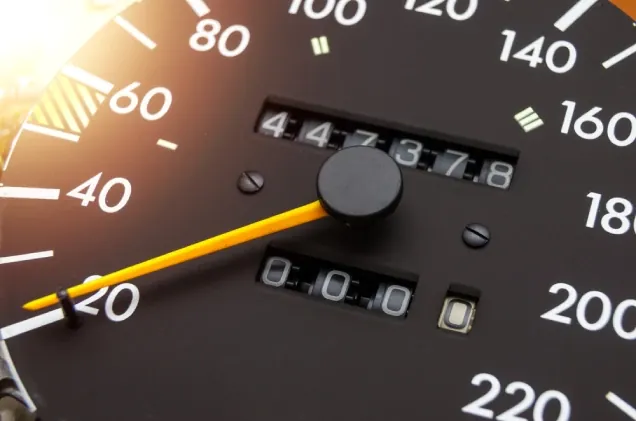
If you want a clearer picture of the car, a broader vehicle history check can provide more detail. Information such as odometer records and market valuations can help you determine whether the seller's story and asking price stack up.
Look it over, then get someone else to look it over too
Once the paperwork checks out, give the car a proper once-over yourself. You don’t need to be an expert to spot obvious warning signs. Some of the basics you can do include checking out the:
- Tyre wear
- Panel gaps
- Rust
- Fluid leaks
- Anything that seems like it may have been recently repaired or touched up.
A proper test drive can tell you even more. Listen for unusual noises, check that the steering and brakes feel right, watch for any warning lights and see how the car behaves at different speeds (without speeding).
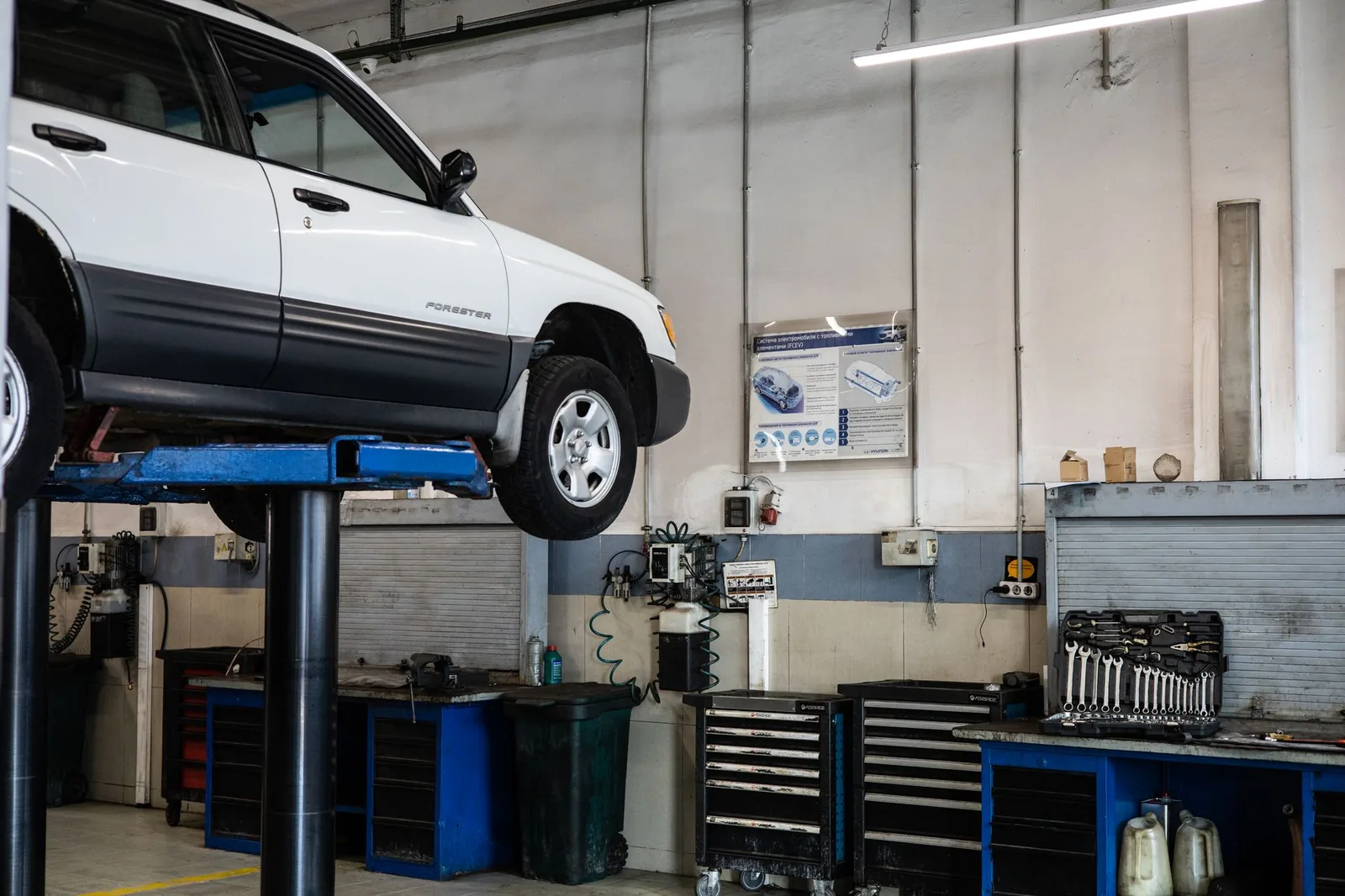
Even if everything seems fine, a professional inspection can uncover problems that aren’t obvious from the driver's seat. A pre-purchase inspection with an independent mechanic or automotive club can be especially useful if you’re not confident assessing the car yourself, but it can also provide valuable peace of mind before spending thousands of dollars on a car.
Don't get caught out on the finance either
The car itself isn't the only place a car deal can go wrong. If you're financing a private purchase, it's worth comparing your car loan options before you commit rather than leaving the finance until the last minute.
The rate you're offered, the loan term and any fees can make a significant difference to what the car ultimately costs.
Shopping around, or comparing lenders can help you find a used car loan that suits your budget and ensure you get a good deal. Remember you don’t have to take the finance that a dealership offers you.
Buying used doesn't have to mean buying blind. A PPSR check, a proper inspection and shopping around for the right finance can go a long way towards making sure your next car is a good one, not a lemon.