Before the list, one thing worth being honest about. A lot of "most reliable car" rankings you'll read are American surveys dressed up for an Australian audience. They're not useless, but our roads, our heat, our dust and our maintenance habits aren't Ohio's. The picks below lean on what's held up here, and where I quote a survey I've stuck to Australian ones like Canstar Blue's owner ratings, which ask thousands of local drivers about the car they actually own rather than a lab car on a test track.
I've grouped them by the job people buy them for, because the most dependable family SUV and the most dependable work ute are almost never the same vehicle, and pretending there's a single "best" helps nobody.
The short list, if that's all you came for
| What you want it for | What I'd shortlist |
|---|---|
| Family SUV | Toyota RAV4, Mazda CX-5 |
| Seven seats | Toyota Kluger |
| Work ute | Toyota HiLux, Isuzu D-Max |
| Small car or a first car | Toyota Corolla, Mazda3 |
| Used wagon | Subaru Outback |
| Hybrid | Toyota Camry, Toyota Corolla |
At brand level it's Toyota, Mazda, Subaru and Honda, with Hyundai and Kia now close enough that leaving them off would be out of date. The rest of this is why, and where the exceptions are, because a badge off that list still won't save you from one particular car that's been neglected.
The Japanese staples still set the standard
If you want the short version: Toyota, Mazda, Subaru, Honda, and to a growing extent Hyundai and Kia. That's not lazy consensus, it's what the ownership data and the trade both keep saying. Toyota has topped Australia's new-car sales charts for 23 years straight and shifted nearly 240,000 vehicles here in 2025, and you don't stay on top that long by leaving people stranded. The flipside of that popularity is a spare-parts and dealer network that reaches into places where a rarer badge would leave you waiting a fortnight for a part to be freighted in.
Mazda earns its spot a different way. It has historically been conservative with the engineering, sticking with naturally aspirated petrol engines where rivals chased turbos, and its build quality has been consistently strong for two decades. Subaru's advantage shows up once the road turns to gravel: the boxer engine and permanent all-wheel drive are a genuinely durable combination, which is why you see so many high-kilometre Outbacks still working for a living in the bush.
Which brands Australians actually trust, and what that's worth
"Most trusted" and "most reliable" get used as if they mean the same thing. They don't. Trust is a reputation, and reputations lag reality by years in both directions. Toyota is still collecting credit for the 1990s HiLux. Hyundai is still being marked down for cars it stopped selling before a lot of its current buyers had a licence.
Where the two do line up is on the unglamorous stuff: how many dealers there are, how fast a part turns up, what a service costs, and whether the brand will still be here in eight years to honour the paperwork. That last one used to be a joke. With the number of new badges arriving from China it's a fair question.
| Brand | New-car warranty | What you're really buying |
|---|---|---|
| Toyota | 5 years, unlimited km | The deepest parts and service network in the country |
| Mazda | 5 years, unlimited km | Conservative engineering and consistently good build |
| Subaru | 5 years, unlimited km | All-wheel drive that holds up once the road turns to gravel |
| Honda | 5 years, unlimited km | Long-lived engines, a much thinner dealer network than it used to have |
| Isuzu Ute | 6 years, 150,000km | Work-first utes and not much else in the range |
| Kia | 7 years, unlimited km | The longest cover with no servicing strings attached |
| Hyundai | 5 years unlimited, 7 if you service within the network | Suspension and steering tuned here, for here |
| GWM | 7 years, unlimited km | Price, and a track record still too short to call |
| Mitsubishi | 10 years, 200,000km, dealer-serviced | Long cover over an older model range |
| MG | 10 years, 250,000km, dealer-serviced | Long cover, on terms that tightened in 2025 |
| Nissan | 10 years, 300,000km, dealer-serviced | The biggest number on paper |
Warranty terms as at January 2026.
The long-warranty brands, and the fine print
A warranty isn't a durability measurement. It's a marketing decision, and all three 10-year offers in Australia carry the same condition: service on time, inside that brand's dealer network, for the whole decade. Miss one or use your local mechanic and Mitsubishi's cover falls back to five years and 100,000km. MG tightened its terms on 1 July 2025 to require dealer servicing too. Nissan's 300,000km cap is the largest going and comes with the same string attached.
Price up ten years of dealer servicing before you treat any of that as free insurance. Kia's seven years is shorter and has no servicing condition on it at all, which for most people is the better deal. Hyundai went to seven years from 1 September 2025 on the conditional basis: five standard, seven if you stay in the network.
Kia and its sister brand Hyundai have both climbed the reliability conversation over the past decade to the point where they're no longer the value-only choice they once were. If you're buying new and want long, generous cover baked in, they're an easy shortlist.
The most reliable SUVs
This is where most buyers actually spend their money, and the reliable choices are refreshingly boring. The Toyota RAV4 and its bigger sibling the Kluger have the track record to be the car a whole household leans on without much drama. Mazda's CX-5 has been one of the most consistently well-regarded mid-size SUVs on the market for years, comfortable and cheap to run without the electrical gremlins that plague some flashier rivals.
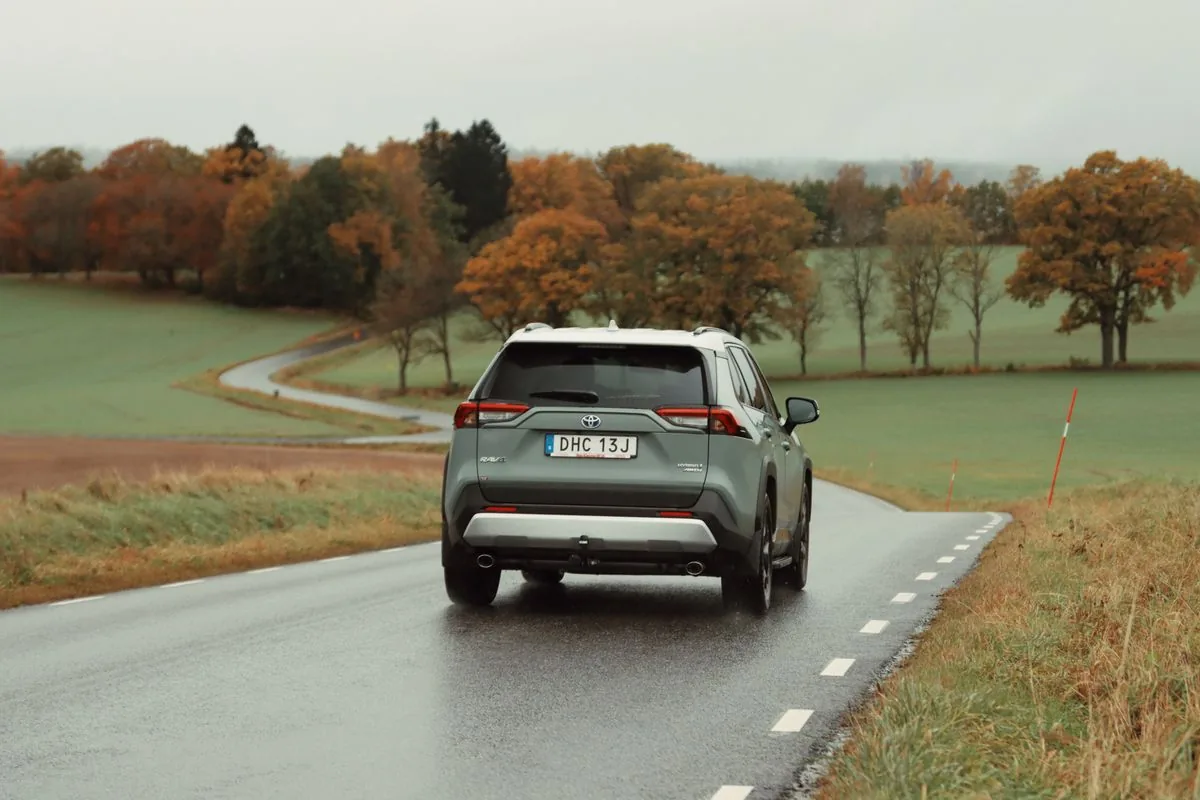
The Toyota RAV4 is one of the most-shortlisted reliable family SUVs in Australia.
If the two obvious picks have been picked over, the Subaru Forester and the Honda CR-V are the next calls. The Forester is the one to have if you spend real time on dirt. The CR-V is one of the few mid-sizers where an adult can sit behind an adult without negotiating. Both sell in smaller numbers than the RAV4, which cuts both ways: fewer of them on the used market, but far less competition when one turns up.
What actually goes wrong on a used SUV is worth knowing, because it's rarely the engine block. Small turbo petrols hauling two tonnes work much harder than the same engine in a hatch, so carbon build-up and turbo wear show up earlier. Dual-clutch gearboxes are the other one: fine on the open road, unhappy in stop-start traffic, expensive when they stop being fine. And on all-wheel-drive models the coupling that feeds the rear axle wants its fluid changed and almost never gets it, which is why a test drive should include a slow full-lock lap of a car park with the windows down, listening for binding.
The seven-seat question has a boring answer. If the third row goes up every day, the Kluger and its hybrid version are the safe call. If it goes up twice a year, a five-seat RAV4 or CX-5 plus a hire car for the two trips works out cheaper over five years than carting two extra seats around every day.
Wagons, if you don't want an SUV
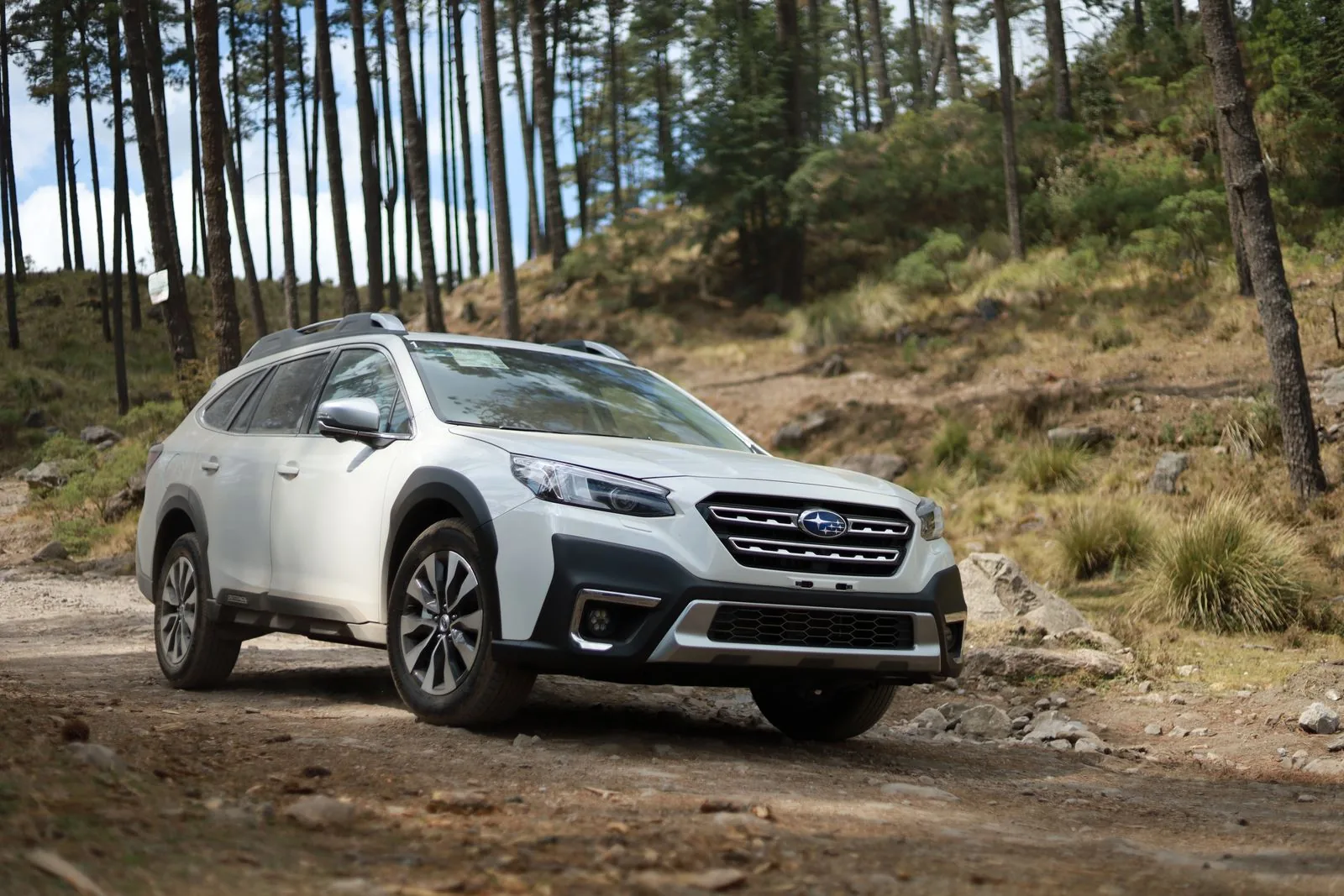
If you're shopping used and want a wagon rather than an SUV, the Subaru Outback from around 2009 onwards is a quietly rugged option that shrugs off wet and unsealed roads far better than its estate-car looks suggest. The old Mazda6 wagon is worth a look too. It was launched here in 2002 and the build quality was strong from the start, and because these rarely lived as fleet cars they often turn up with lower kilometres than a comparable sedan.
Work utes
The ute conversation in Australia basically comes down to three names, and honestly you can't go too far wrong with any of them. The Toyota HiLux has a reputation for being close to unbreakable that it has earned over decades of being flogged by farmers, tradies and mine sites, and behind that reputation sits Toyota's parts and service reach, which matters enormously if you're 400km from the nearest city. The Isuzu D-Max is the one I'd point a hardcore work buyer at: it trades a little cabin polish for a sturdy frame and an engine built to keep going.
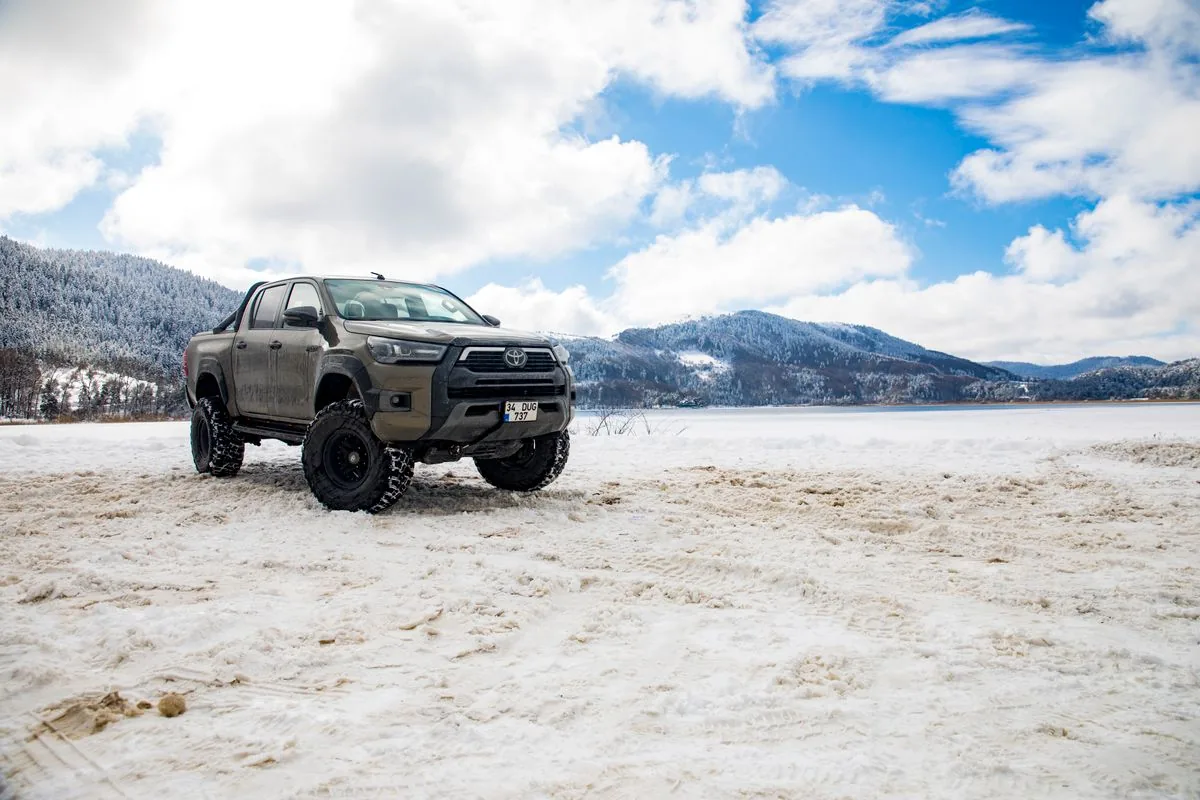
The HiLux has built its reputation on being hard to kill.
The Ford Ranger runs both close and is the nicest to actually live in day to day, with a refined cabin and strong safety kit. One caveat if you're buying used: some of the older 3.2-litre diesel Rangers had their share of problems, so that's a generation to inspect carefully rather than buy on faith.
Reliability is half the badge and half the servicing. A car with a full logbook history is worth more than the same model with gaps.
Small cars and first cars
For a cheap, dependable runabout the Toyota Corolla is almost a cliche, and it deserves to be. Older Corolla engines are routinely quoted as good for well past 250,000km, and because so many were sold there's always another one changing hands if the first one you find has a shaky history. The Mazda3 is the one I'd pick if I wanted something with a bit more style that's still a rock-solid used buy, and the Mazda2 covers the same brief a size down.
The Hyundai i30 deserves more credit than it gets. Hyundai tuned its suspension and steering specifically for Australian conditions, so it drives like it belongs here rather than being a global car dumped on our roads. Its factory warranty also transfers to the second owner, which quietly makes a used one less of a gamble.
Hybrids, and the battery question everyone asks
The single most common reliability worry I hear about hybrids is the battery, and it's largely a worry left over from a decade ago. Toyota's hybrid system, the one under the Corolla, Camry, RAV4 and Kluger, has one of the longest real-world track records of any drivetrain sold here. There are Prius taxis in Queensland that have covered more than 350,000km on their original battery. Toyota now backs the hybrid battery for up to 10 years if you keep the car serviced within its network, which tells you how confident they are in it.
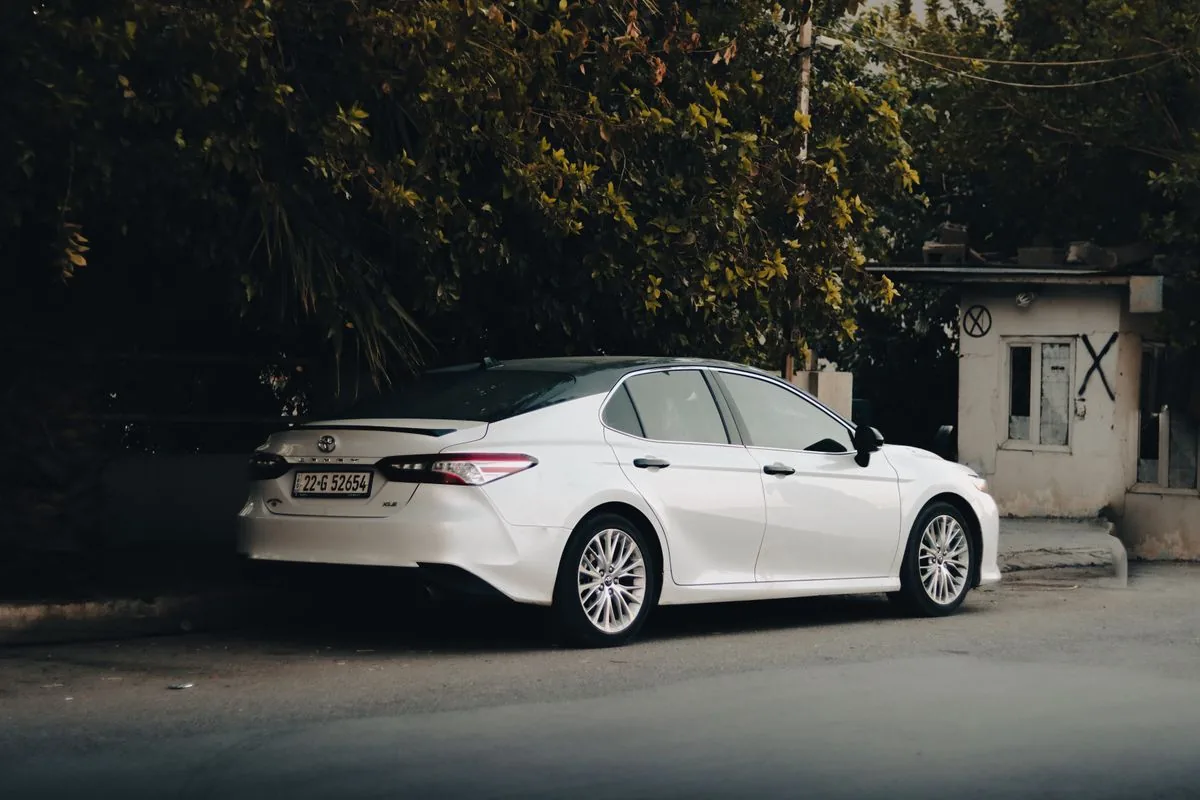
The hybrid Camry is one of the most trusted drivetrains on Australian roads.
That doesn't mean a hybrid is maintenance-free, and a battery can fail early if it's abused or neglected. But treating the hybrid battery as a scary inevitable expense is out of date. If anything, the hybrid Camry is one of the more trusted cars in the trade precisely because the drivetrain is so well understood.
Who actually measures reliability in Australia
This is the bit that catches people out. Australia has no large annual owner-fault survey of the kind the US gets from Consumer Reports or the UK gets from the What Car? Reliability Survey, both of which ask owners in bulk what broke and when. Most "reliability rankings" quoted here are one of those two, measured on cars and roads that aren't ours, or a blog with nothing behind it at all.
Here's what does exist locally, and what each one is really measuring.
Canstar Blue's new car brand ratings. The closest thing we have to a local owner survey. The 2025 round put 3,896 Australians who'd bought a car in the previous five years through an accredited research panel and asked them to score their brand out of 10, with reliability as one of the criteria. Read it for exactly what it is: satisfaction among fairly recent buyers. Great Wall Motor took the 2025 overall award, and its five stars were for value for money, appearance, features, upgrades and overall satisfaction. How a car feels three years in and how it holds up at 200,000km are different questions, and only the second one is reliability.
The NRMA's Best Value Car Awards. The 2026 round costed more than 120 vehicles across five years of ownership: purchase price, servicing, fuel, insurance, rego and depreciation. The MG3 Vibe won overall at $29,952 over five years. That's a cost ranking rather than a durability one, but running costs are where an unreliable car actually hurts you, so it earns its place. The most useful line in it is the NRMA's own finding that depreciation is 40 to 50 per cent of the five-year bill.
The federal recall register at vehiclerecalls.gov.au. Free, searchable by VIN, and the only one of these that tells you about the exact car in front of you rather than a brand average. A run of recalls on one model year is a real signal. Our car problems and recalls pages group the same information by make and model if you'd rather browse than search.
ANCAP. Worth checking on anything you shortlist, but it rates how a car crashes, not whether it starts.
So there's no single Australian number to point at, and anyone offering you one is quoting something else. In practice you triangulate: owner satisfaction at the brand level, the recall record for that model year, then the history of the individual car.
A reliable model is only as good as its history
Here's the part the brand lists skip over. Buy a used Corolla that's been thrashed and never serviced, and it'll let you down faster than a well-maintained car from a brand with a worse reputation. On the used market the badge is maybe half the story. The other half is what that specific car has been through.
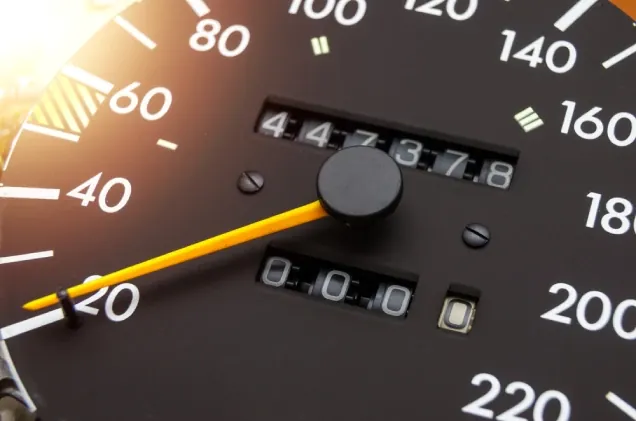
Two things separate a good used buy from a money pit. The first is a full, believable service history: a logbook with gaps, or one that suddenly appears complete just before sale, is worth a hard question. The second is the car's background, and this is where a bit of homework pays for itself many times over. A tidy-looking car can be hiding a rolled-back odometer, an unpaid finance debt that follows the car rather than the seller, or repairs from a serious crash.
None of that shows up on a test drive. A PPSR certificate tells you whether there's money owing on the car and whether it's been written off or reported stolen. It's worth learning how to spot a wound-back odometer, because a low-kilometre reading is exactly what makes a tired car look reliable. And if the panels look a little too fresh, knowing how to check whether a car has been in an accident can save you from inheriting someone else's smash.
You don't have to do that legwork by hand. A PPSR check answers the finance, write-off and stolen questions off the VIN or the plate, and a full VIN check adds the odometer record, the factory and Takata recall status, the registration details and a price comparison, which is usually where a wound-back reading gives itself away. Both take about a minute.
Pick from the shortlist above, then do the boring checks, and you've stacked the odds about as far in your favour as buying a used car in Australia allows. That's really all reliability is: fewer surprises, over more years.