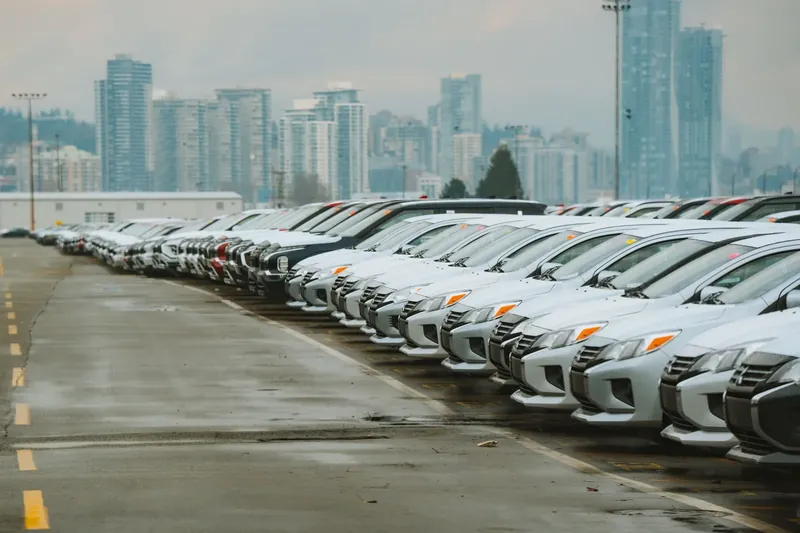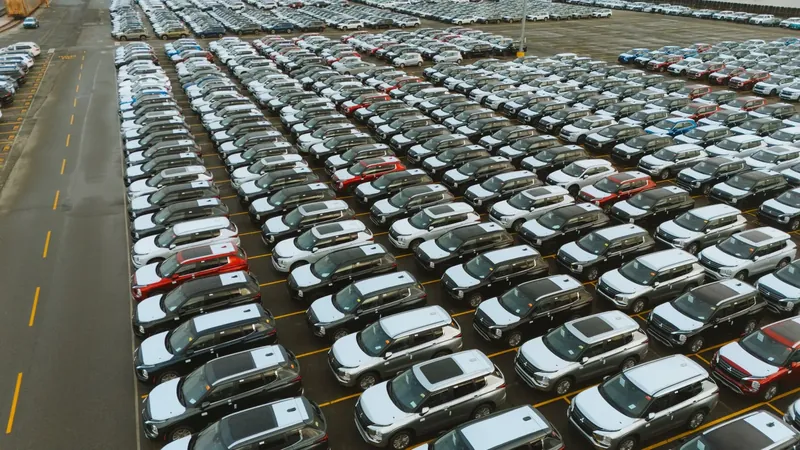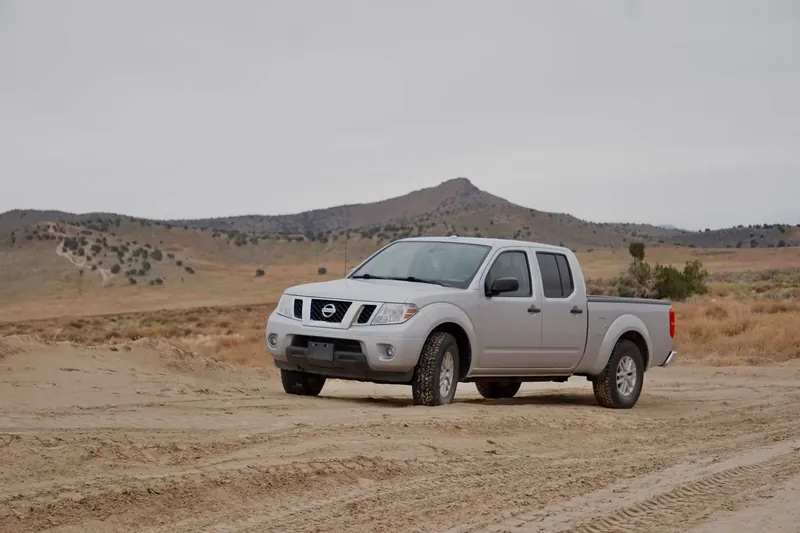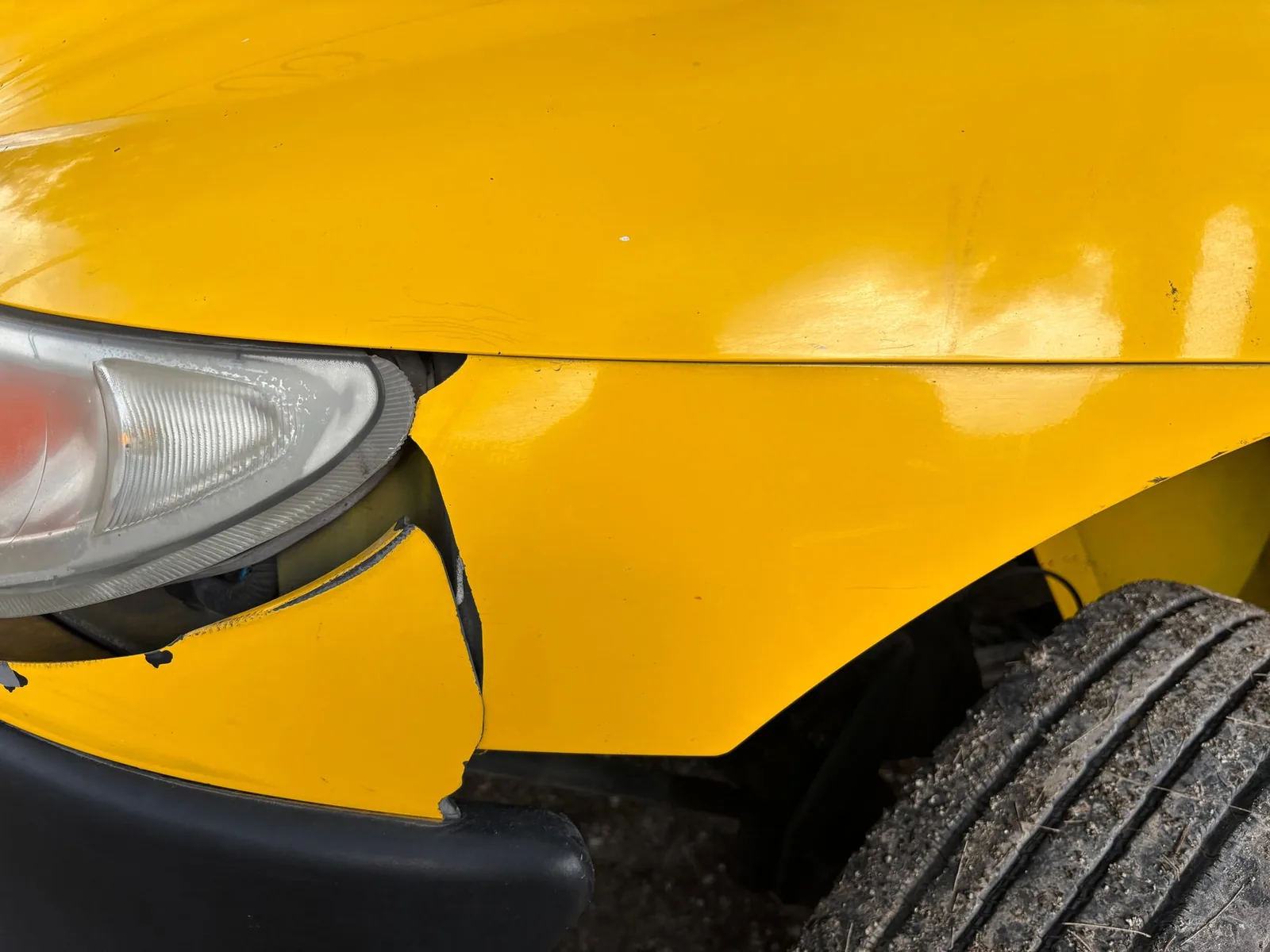
These are not random cars. Every one is a car someone was already thinking of buying and felt uneasy enough about to check, so the rates below sit well above the national car park. That is exactly why they are worth looking at: this is what turns up on the cars that looked fine in the ad.
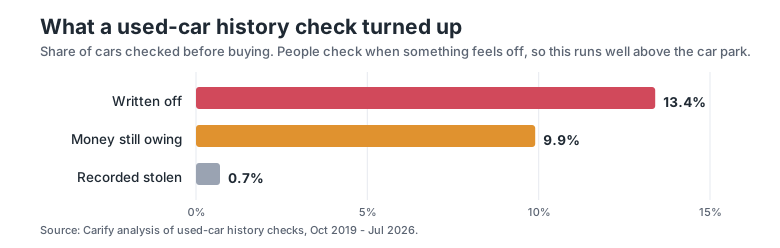
Share of cars checked before buying, October 2019 to July 2026. People check when something feels off, so these run above the whole market.
More than one in eight had been written off
13.4 percent of the cars people checked carried a written-off record. That does not mean one in eight cars on the road is a write-off, it means one in eight cars a wary buyer stopped to check was one. The signal matters: these buyers were often looking at a car that presented well and priced a little too sharply.
The part that catches people out is what kind of write-offs they are. 93 percent were repairable write-offs, not statutory ones. A statutory write-off is legally dead, it cannot go back on the road. A repairable write-off can be fixed, inspected and re-registered, which is precisely how it ends up back in the classifieds looking like any other used car. The write-off you can actually buy is the common one.
What had actually happened to them
Australia's written-off records carry damage codes, and once you decode them the story is blunt. 86 percent of these cars had been in a collision. But close to one in ten was weather: hail accounts for 7 percent and flooding another 3, which is why a bad storm season leaves a trail of quietly repaired cars for years afterward. A smaller group had been stripped for parts or torched.
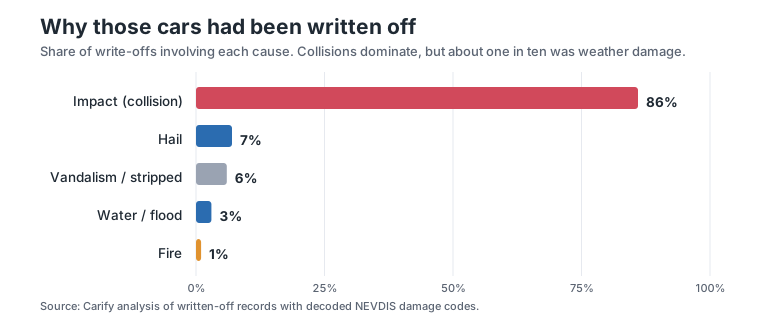
Causes decoded from the damage codes on every write-off in the data. Many cars carry more than one.
Nearly six in ten of them, 58 percent, had structural or unrepairable damage recorded on at least one part of the car. That is the number to sit with. A structural repair done well is fine; a structural repair done cheaply, to a car being flipped, is the thing you are trying to avoid. The typical write-off in our data was about six years old when it happened, which is right in the sweet spot of the used-car market: old enough to be affordable, new enough to look modern.
The money you can't see
Write-offs get the headlines, but the quieter risk showed up nearly as often. About one in ten checked cars, 9.9 percent, still had money owing on it, a security interest registered by a lender against the vehicle itself.
This one is nasty because the car can be spotless. If you buy a car that still has finance secured against it and the previous owner stops paying, the financier can repossess it from you, and you are out both the car and your cash. It does not show up in a test drive or a roadworthy. It shows up in a REVS check, which is part of a full history report.
Stolen is rare, and total
Genuinely stolen cars were uncommon, 0.7 percent, fewer than one in a hundred. But there is no managing this risk after the fact. A recorded-stolen car can be seized by police and returned to its rightful owner or insurer, again with no compensation to you. Queensland, New South Wales and Victoria accounted for most of them, roughly in line with where the people are. A stolen-vehicle check is a thirty-second answer to a problem you cannot fix later.
Why the state on the plate matters
Write-offs turned up far more often on cars registered in Queensland, Western Australia and South Australia, around one in five, than in New South Wales, where it was closer to one in twenty. That is not because Queenslanders crash more. It is mostly the rules. Some states let a repairable write-off be fixed and put back on the road, so those cars stay in the local market and keep getting bought and checked. Tighter states send more of them to the wreckers or overseas, so fewer resurface. If you are buying interstate, it is worth knowing the car may have travelled to reach a market where it could be sold at all.
What to actually do about it
None of this is an argument against buying used. It is an argument against buying blind. The cars in this data looked ordinary, which is the whole point: a repaired write-off, a car with finance owing and a clean car look identical in a listing and on a Saturday-morning inspection.
Before you hand over money, run the plate or VIN. A history check pulls the write-off record, any recorded damage, money owing and stolen status in one go, for a fraction of what any of those problems would cost you. If you want the background first, here is what a PPSR certificate covers and how to tell if a car has been in an accident. When you are ready, a Carify report checks the specific car in front of you.
How we did this
The figures come from the used-car history checks Australians ran through Carify between October 2019 and July 2026, counted by unique vehicle so a car checked twice is not counted twice. Because people order a check when they are already suspicious, these are not fleet-wide rates and we do not present them as such. Write-off causes were decoded from the damage codes on each record. State comparisons are shaped by each state's written-off vehicle rules as much as by the cars themselves, which is why we have described the pattern rather than ranked the states.