Short answer: usually yes, and the cost swings from about two hundred dollars to well over a thousand depending on which car you picked. The long answer is worth reading before you commit, because the cheapest fix does not work on every car and the brochure year is not a reliable guide.
First, check the official lists
Apple publishes every CarPlay vehicle it supports, sorted by make, on its available models page. Google does the same for Android Auto, listing the earliest compatible model year for each brand. Between them that is a couple of minutes of work and it settles most questions.
Read Apple's caveat carefully, though, because it is the part people skim. Apple says CarPlay is "either standard or available as an option on many new 2016 cars and later, with some manufacturers offering software updates for earlier models", and that some models only support it in certain configurations, and not every model is sold in every region. That last clause matters here. Both lists are global. An Australian delivered car can sit a trim level or a model year away from the American one with the same badge on the boot.
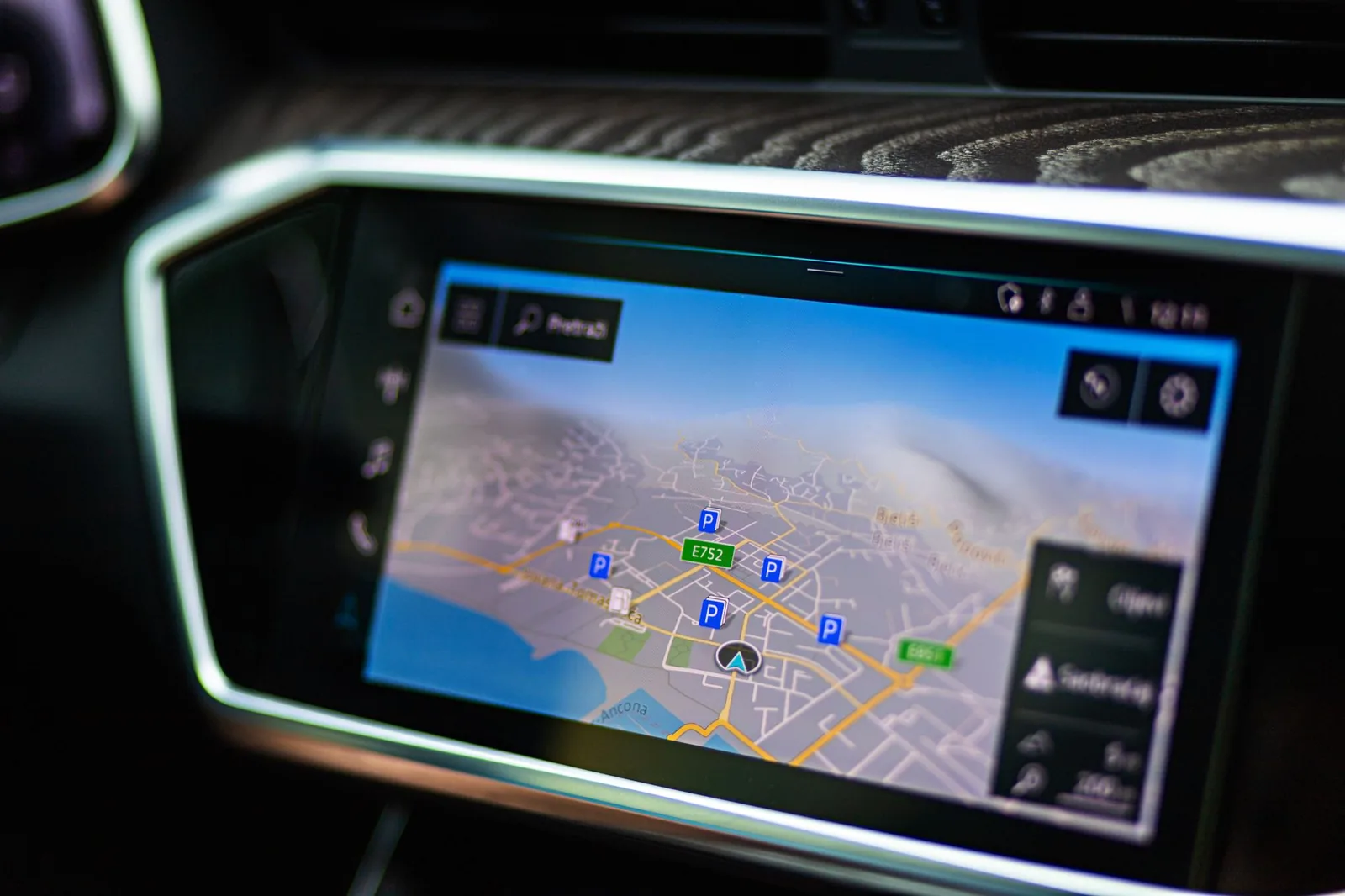
So treat the lists as a filter, not a verdict. The only test that counts is plugging your own phone into the car in front of you, using the USB port that carries data rather than a charge-only one, and seeing whether the screen changes. If nothing happens, dig through the head unit's settings menu for anything labelled smartphone link, projection or connectivity before you give up. On plenty of cars the feature ships switched off.
Australia ran on its own timetable
The rough shape is that mainstream brands had it sorted somewhere between 2016 and 2019, but the gaps between them are big enough to matter when you are shopping a five to ten year old car.
Hyundai Australia was early, announcing CarPlay for the i30, Tucson and Santa Fe in January 2016. Toyota was the notable holdout, and given how much of the Australian used market wears a Toyota badge, that is the one worth knowing about.
Toyota: the retrofit that catches people out
From 1 November 2019 Toyota Australia offered to retrofit CarPlay and Android Auto to a short list of recent models. RAV4, HiAce and Granvia owners got it free. Camry, Corolla hatch and Prius owners paid up to $199, and eligibility was pinned to the sale date rather than the model year:
- Camry sold between 21 November 2017 and 20 October 2019
- Corolla hatch sold between 15 August 2018 and 13 October 2019
- Prius sold between 12 March 2019 and 30 September 2019
Cars sold after those cut-offs already had it fitted. Cars sold before them were never part of the program at all, which is why a 2016 Corolla and a 2019 Corolla can look almost identical in the classifieds and behave completely differently on the test drive.
That program was announced in 2019 and we have not been able to confirm it still runs, so ring a Toyota dealer with the VIN before you factor $199 into what you are willing to pay.
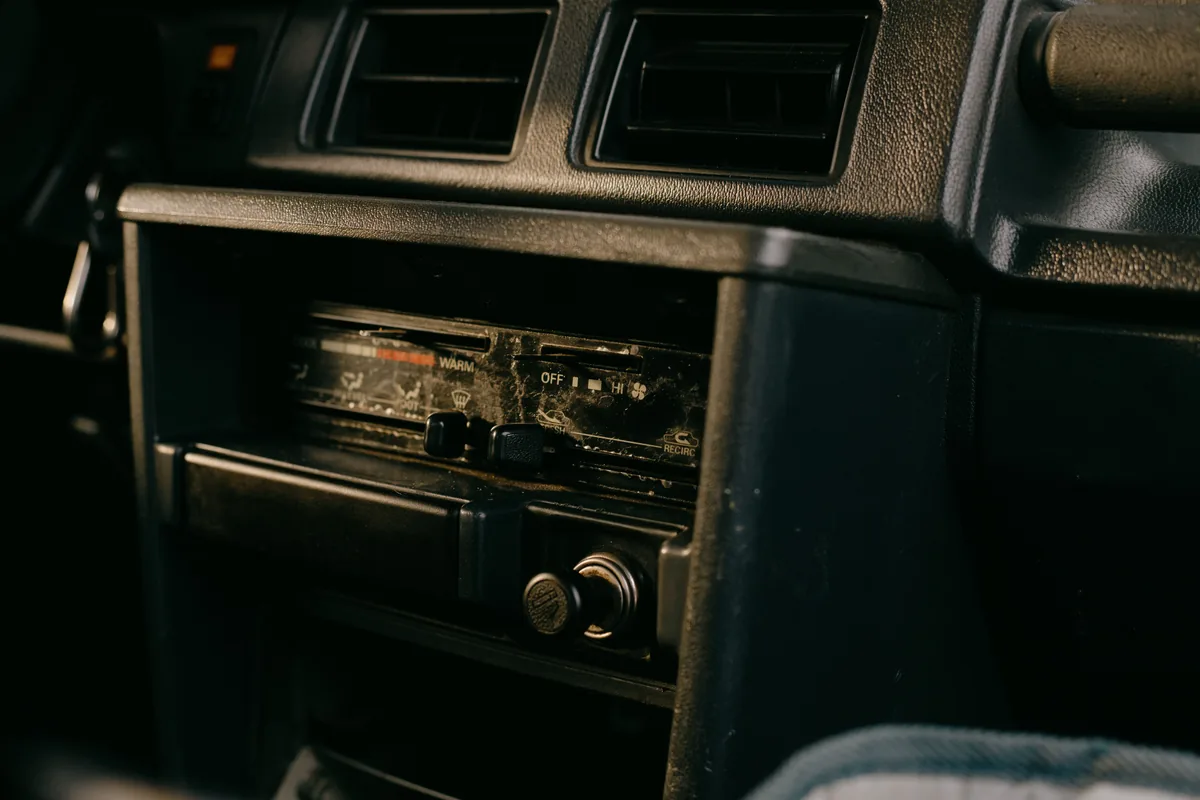
Older factory head units are the easy case. It is the big integrated screens that get expensive.
Mazda will do it to almost anything with MZD Connect
Mazda has the most generous arrangement of any brand here. If your car has the MZD Connect system, which arrived in Australia in early 2014, a dealer can fit the upgrade. When the kits launched on 1 November 2018, Mazda put the eligible Australian fleet at around 370,000 cars and the recommended fitted price at $494.98. Mazda's own owners page no longer quotes a figure and tells you to contact a dealer, so expect that number to have moved.
It is a real hardware and software job, not a coding tweak, and takes a few hours at the dealership. Dealers also swap in a faster charging USB port while they are in there. A Mazda 3, 6, CX-3, CX-5, CX-9 or MX-5 of the right vintage is one of the few used buys where you can price the fix accurately before you make an offer.
Buying a used BMW? Check it is actually switched on
BMW was the brand that tried to charge a subscription for CarPlay. In Australia that meant $479 for three years after an initial free period. BMW Australia scrapped the fees in late 2019 and switched existing cars on permanently by early 2020, with refunds handled case by case through dealers.
The practical upshot on a used BMW is simple. It should work, permanently, at no cost. If it does not, that is a question for the seller and then for a dealer, not a reason to assume you need to buy anything.
The wireless adapter trap
Those little dongles that promise wireless CarPlay are one of the most searched car accessories in the country, and they are also the most misunderstood. They convert wired CarPlay into wireless. They do not create CarPlay.
If you plug your phone in and the car does nothing, a $150 adapter will also do nothing. It needs an existing wired CarPlay system to talk to. Worth knowing before you order one on the strength of a product listing that implies otherwise.
When the car never had it at all
Two routes, and which one suits you depends almost entirely on how the car's dashboard is built.
The first is a new head unit. Pull the factory radio, put in an aftermarket screen that runs CarPlay and Android Auto. Australian installers advertise roughly $500 to $1400 fitted, and the spread comes down to the car rather than the screen. A straightforward double-DIN opening in an older Hilux or Commodore is cheap. A modern car where the same screen also runs the climate control, the drive modes and the parking sensors is a different job, and sometimes not worth doing at all.
Ask the installer three things before you book: whether the steering wheel buttons will still work, whether the reversing camera will still work, and whether the factory amplifier or speaker setup needs an extra interface. Each one is a separate adaptor and each one adds to the quote. A shop that answers all three without hesitating is the one to use.
The second route keeps the factory screen and hides a module behind the dash. Walkinshaw did exactly this for VF Commodores and HSV models in 2021, adding wireless CarPlay and Android Auto to the standard MyLink screen for $1199 fitted. It costs more than a basic head unit swap but the dash looks untouched, which matters if you care about resale or you simply do not want a glowing rectangle bolted over your interior.
What to do on the test drive
Bring your own phone and your own cable. Plug it in, wait for the handshake, then actually use it: open maps, start a podcast, take a call. A car that mirrors the screen but drops the connection every few minutes is more annoying than one that never had the feature.
Check whether it is wired only or wireless too, because on a daily commute that difference matters more than the spec sheet suggests. And if the seller tells you a dealer can add it later, ask them which dealer and what it costs. That is a five minute phone call, and the answer either confirms the price or knocks a few hundred dollars off what the car is worth to you.
If you are still weighing up what each system actually does once it is connected, our Android Auto versus Apple CarPlay comparison covers the differences. And before you hand over any money, run the plate or VIN through a PPSR check so you know the car is not carrying finance, a write-off record or a stolen listing. An infotainment screen is the easiest problem on that list to fix.